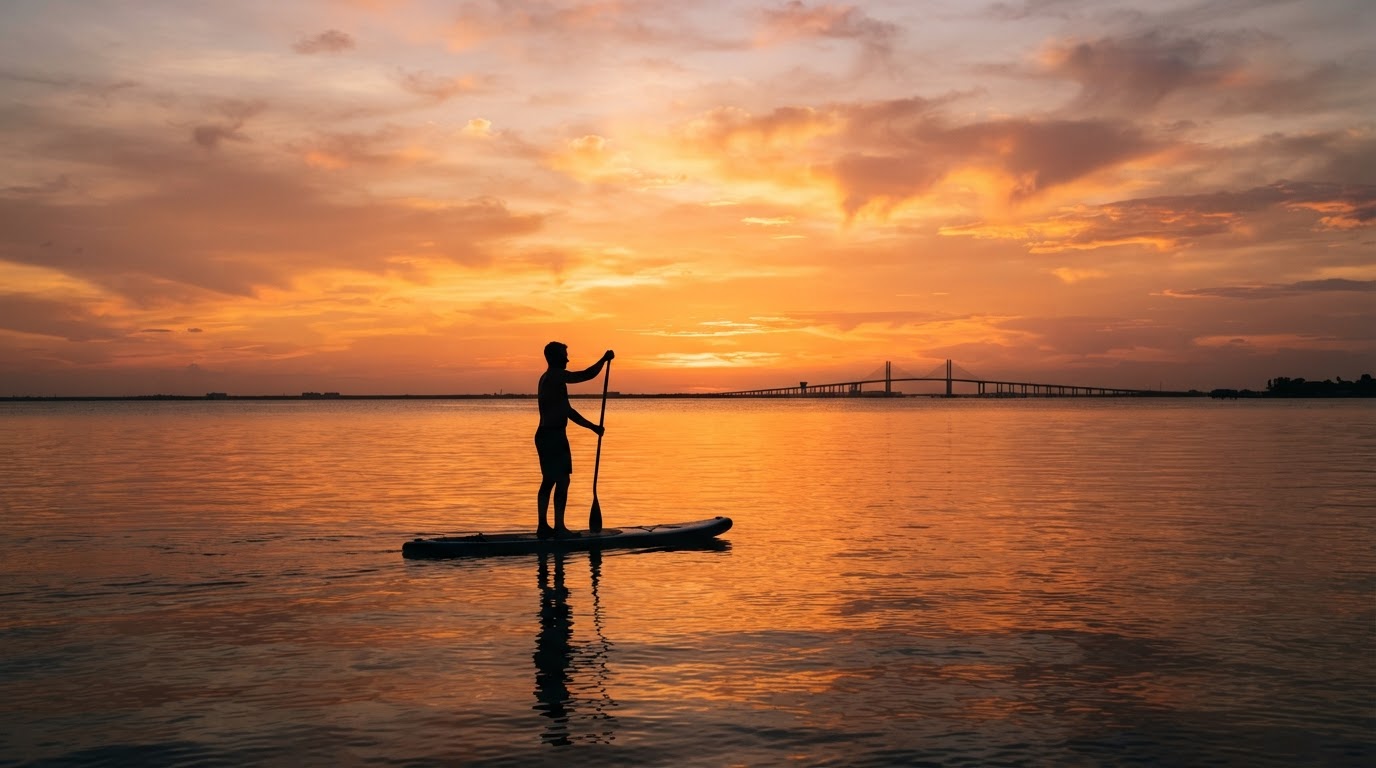
Reading the Tides: A Paddler's Guide to Tampa Bay
Wind, tide, and current shape every paddle here. A short field manual for decoding the bay before you launch.
Priya Anand
The Mangrove Dispatch
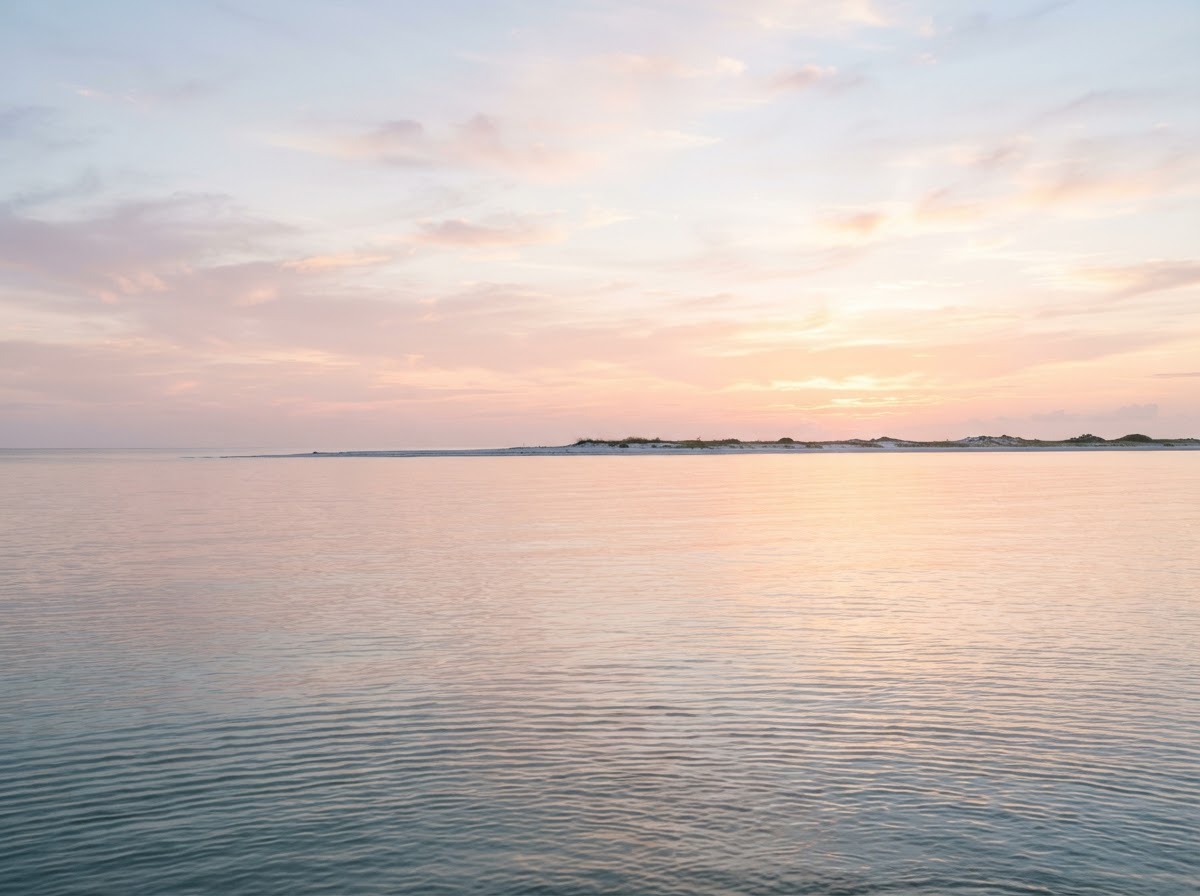
Tampa Bay is a shallow, tidal estuary — which means the water you paddle is shaped less by distance than by the clock. Read the tide and wind and the bay opens up. Ignore them and you'll spend a trip paddling into a current you didn't know was there.
Tide direction matters more than height
An incoming tide brings clean Gulf water into the bay and fills the mangrove tunnels — the best time to paddle the preserves. An outgoing tide drains the shallows and pulls the prop roots into view, which is beautiful but harder to navigate.
- Incoming tide: fills tunnels, improves clarity, easier in preserves
- Outgoing tide: drains shallows, stronger current in channels
- Slack: ~30 min of near-still water around the turn — the calmest paddle
Wind is the second half
Anything over 12 knots turns an open-water crossing into a fight. The bay is big and shallow, so wind stacks short, steep chop. Plan crossings for the low-wind window, keep the shoreline on your lee side, and never paddle a route where the wind and tide both push you out.
"The rule that never fails: paddle the first leg into the wind, so the return is always downwind."